
Home · Garden design by city · Seattle
Garden design in Seattle
Seattle yards are small, shaded and opinionated — and in USDA zone 9a they can grow almost anything. The design job here is not fighting the climate; it is handling shade, winter water and tight lots with intent.
Gardening in Seattle: the local facts
Seattle sits in USDA zone 9a on the 2023 map — the mildest winter pocket in the Puget Sound lowlands, warmed by water on both sides. About 37 inches of rain falls a year, but it arrives the Seattle way: spread across roughly 150 grey days from October to April, followed by a genuinely dry summer. So design here is rarely about hardiness. Almost nothing on the YardCanvas palette is too tender for Seattle; the failures are wet feet in January and thirst in August.
The soil is the other Seattle fact. Most of the city stands on glacial till — a hard, stony mix of clay, sand and rock the ice sheet left behind — with clay pockets toward the south end and sandier ground to the north. It digs like concrete, holds a perched layer of water in winter, and dries out hard in summer. Overhead, mature Douglas-firs and cedars shade whole lots and drink the ground dry beneath them, and the city's hills — Queen Anne, West Seattle, the north-end ridges — put a slope into a large share of yards.
The planting calendar bends Seattle's way. Because winters are wet and rarely bitter, fall is prime planting season for trees and shrubs — roots keep growing in the mild soil and the plant starts spring already settled. The bill comes due in the dry season instead: anything new needs deep, regular water through its first two Augusts, conifer shade or not. A thick mulch layer is the cheapest insurance in both directions — it keeps winter rain from battering the till into a crust, and holds summer moisture where young roots can reach it.
Design challenges in Seattle
- Deep shade that moves. Under a neighbor's fir or your own maple, the light changes by the hour and by the season. A Seattle design starts from an honest shade map: true deep-shade plants — sword fern, sarcococca, epimedium — only where the shade is permanent, and brighter shade planting where spring sun gets in before the canopy leafs out.
- Winter water on hardpan. Rain that can't sink into till runs instead — across patios, under fences, toward crawl spaces. Raised beds, a rain garden sized to the roof that drains to it, and gravel trenches give the water a destination you choose, in the months when Seattle gets most of its 37 inches.
- Small lots, close neighbors. The classic Seattle lot is 4,000–5,000 square feet, with windows close to every fence line. Narrow, layered planting — slim trees, espalier, columnar privacy shrubs — screens without eating the yard, and container groupings turn the patio or deck into a second garden room.
Styles that fit Seattle
Of the nineteen YardCanvas style guides, these three earn their keep in Seattle more often than any others:
- Shade Garden Plants — Built for Seattle's defining condition — the lushest style in the catalog is the one designed for life under conifers.
- Northwest Themed Plants — Sword fern, salal, Oregon grape and vine maple are already tuned to till soil and winter wet; a native palette settles in fast.
- Rain Garden — With 37 inches of rain and tight urban lots, a planted basin turns Seattle's soggiest corner into drainage infrastructure.
Ideas that work in Seattle
Lush Shade Garden
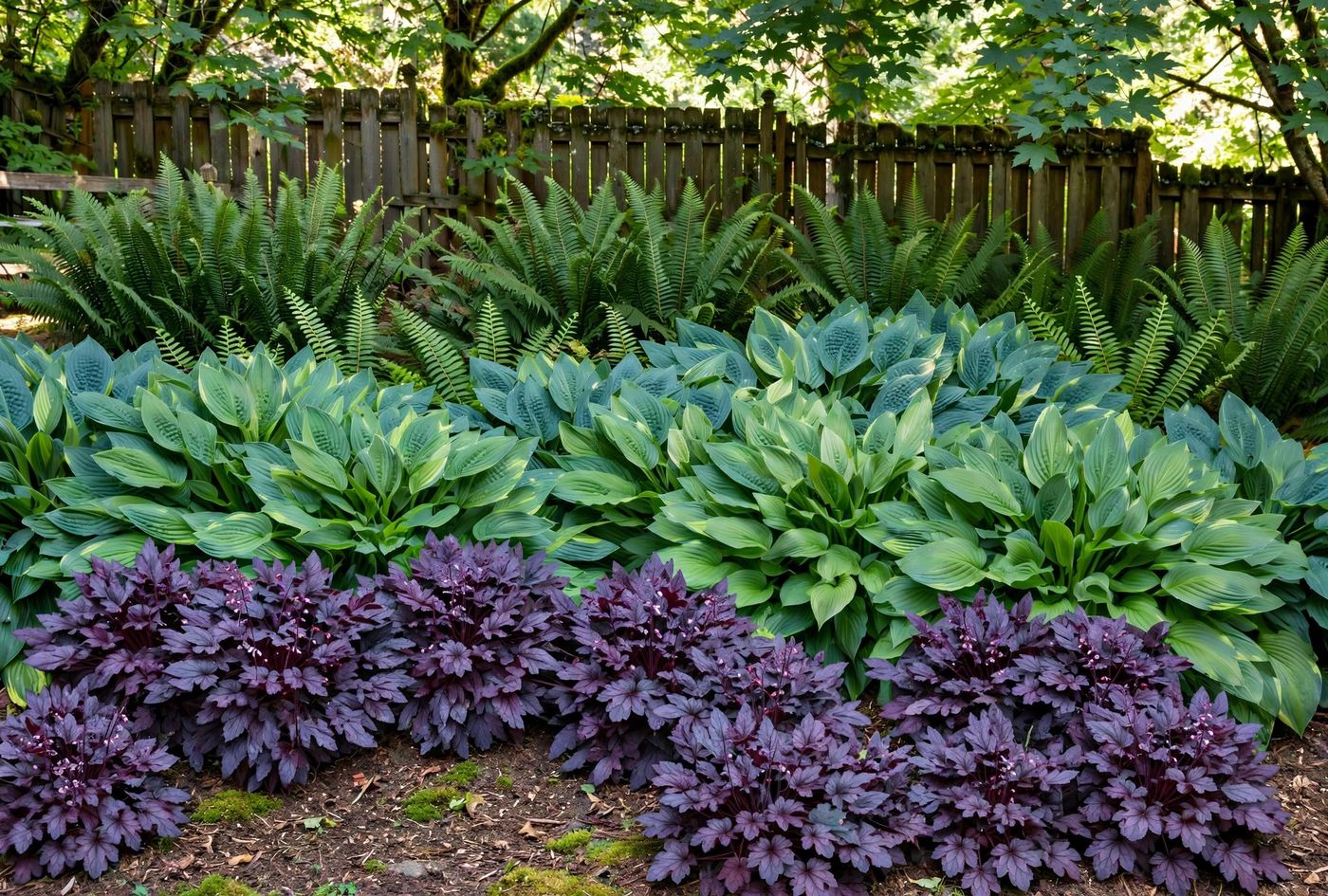
Hosta, fern and coral bells layered under the big tree — Seattle's most-requested bed.
See it on the Ideas page →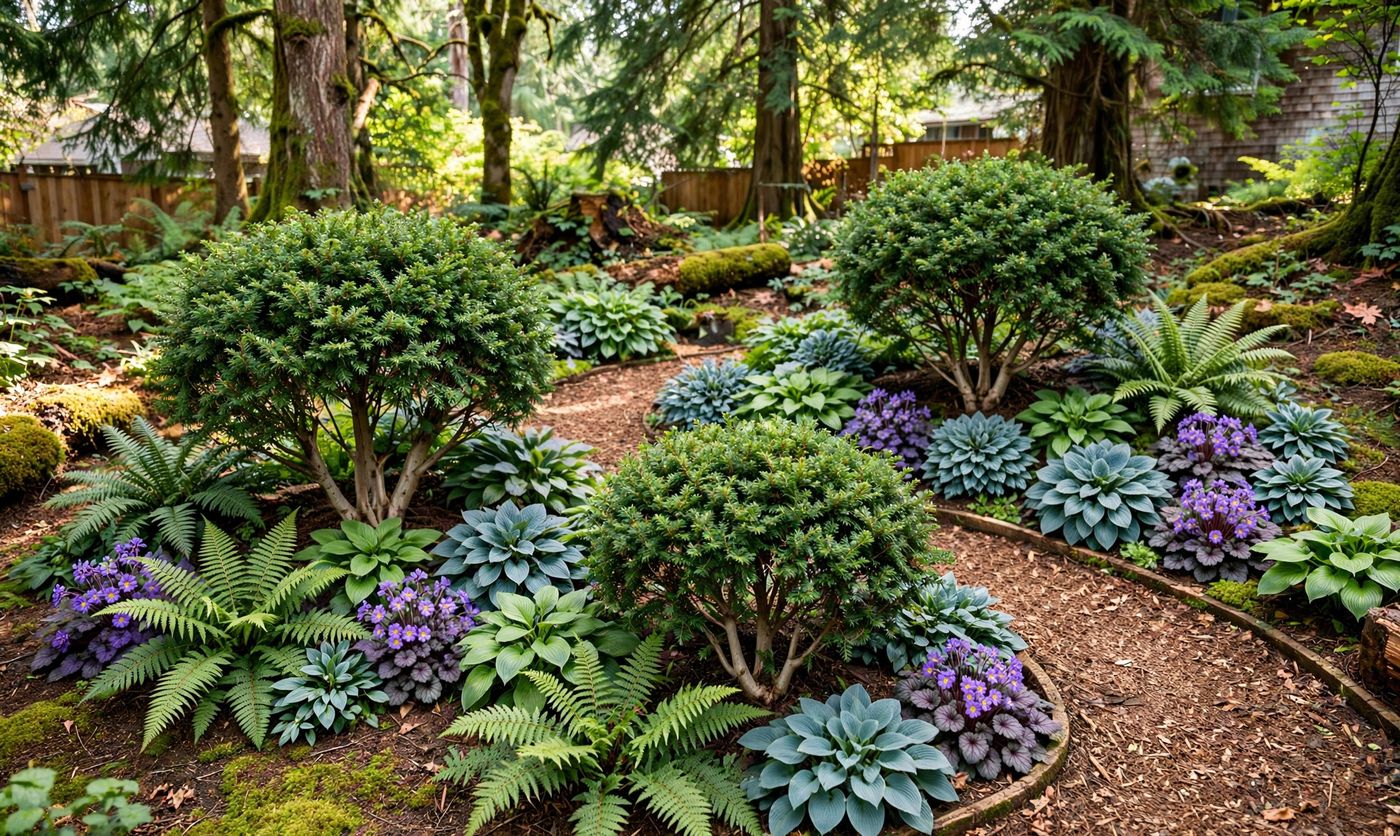
Woodland Garden
Sword fern, salal and vine maple: the native clearing, composed.
See it on the Ideas page →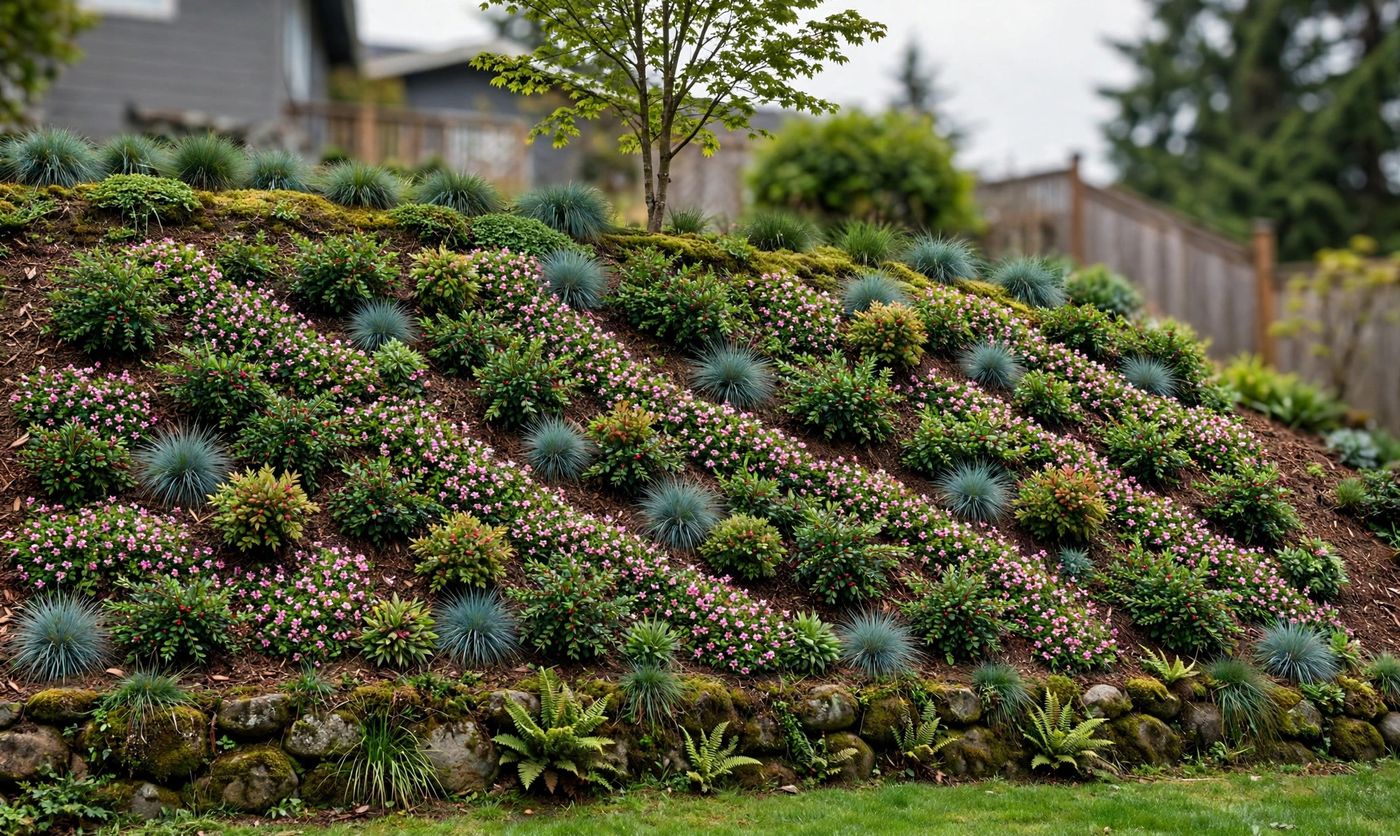
Slope & Bank Planting
Staggered contour rows that hold a hillside through winter storms.
See it on the Ideas page →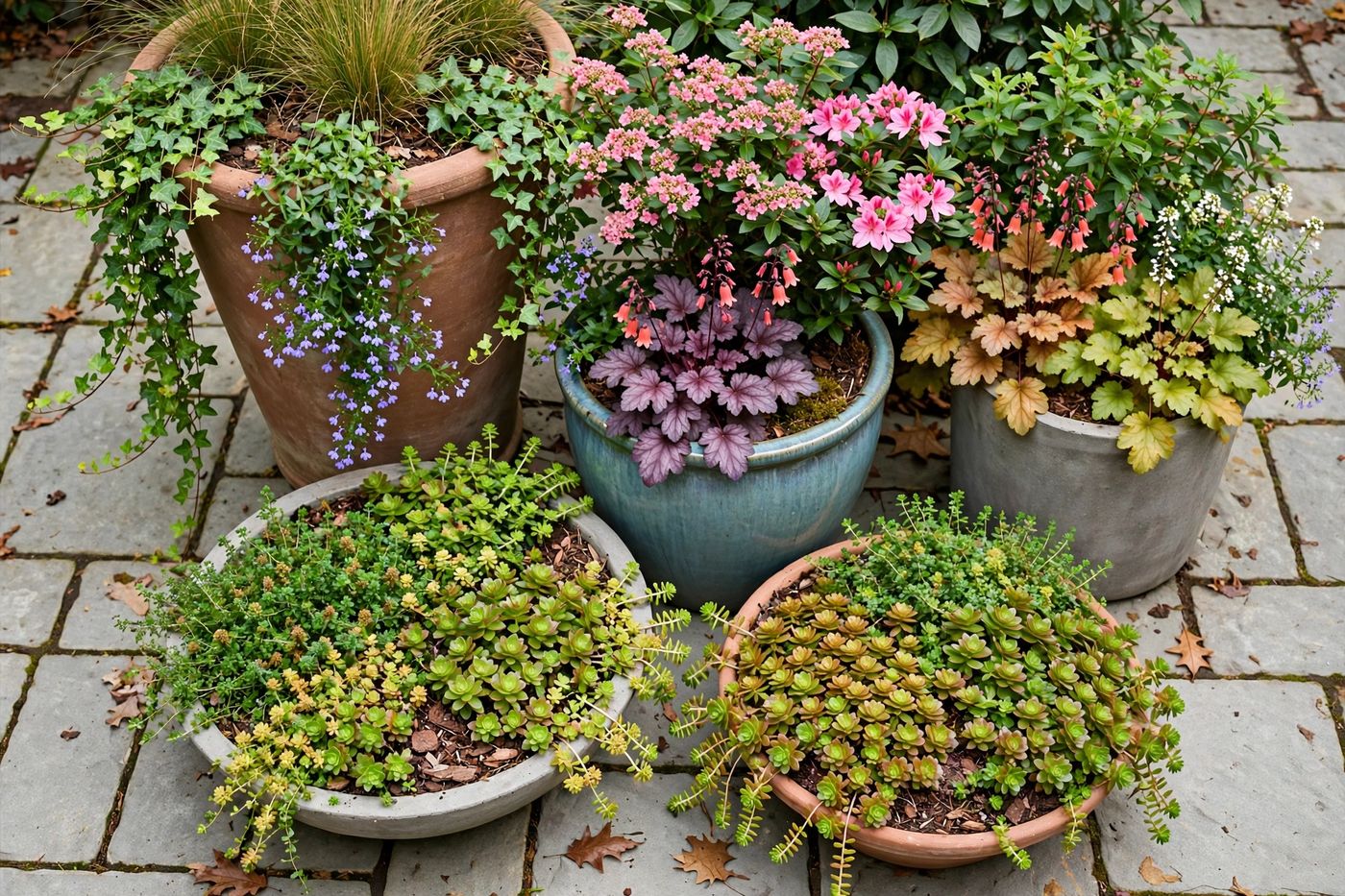
Container Garden Layout
For patios, decks and terraces where good soil is a rumor.
See it on the Ideas page →