
Home · Garden design by city · Tacoma
Garden design in Tacoma
Tacoma gardens have what Seattle ran out of: space. Bigger lots, historic houses — and, toward the south, gravelly soil that drains like a sieve and changes the whole planting palette.
Gardening in Tacoma: the local facts
Tacoma is USDA zone 8b with about 35 inches of rain a year — a little drier than Seattle, a little more continental, and open to colder snaps when Arctic air pushes down the Fraser Valley. The defining Tacoma fact is underfoot in the southern half of the city and beyond: the glacial outwash plains toward Lakewood, Parkland and Spanaway are gravel and sand over more gravel. Water vanishes through it, lawns crisp by July, and the plants that sulk in Seattle clay — lavender, rock rose, sedum, ornamental grasses — absolutely thrive.
The north end is a different city. Old Town, Stadium and Proctor sit on richer till under mature street trees, in front of craftsman and Victorian houses with deep porches and deeper lots. Tacoma lots at both ends run bigger than Seattle's for the same money, and that changes the design math: there is room for a vegetable garden, a small orchard tree, a real perennial border — and room for privacy planting that a Seattle side yard could never fit.
One Tacoma fact belongs in every edible-garden plan: for a century, the old Asarco copper smelter in Ruston spread a plume of arsenic and lead over surface soils across the north end and well beyond. The standard, sensible response is not alarm — it is raised beds with imported clean soil for vegetables, a thick mulch or groundcover cap on bare play areas, and washing what you harvest. Ornamental planting is unaffected, which is one reason Tacoma's flower borders thrive while its kitchen gardens go in boxes. On plume-area lots, the plan honestly starts with the soil, not the plant list.
Design challenges in Tacoma
- Soil that won't hold water. On outwash gravel, irrigation design is the design: drip lines in the beds, drought-tolerant palettes, mulch that banks what moisture falls. Trying to keep clay-garden plants alive on the prairie gravel is a losing, expensive fight — the winning move is planting for the gravel from the start.
- Big lots with big empty middles. A half acre of plain lawn is a chore, not a garden. Tacoma designs break the lot into rooms — a border that claims the back third, groundcover drifts under the trees — so the planted garden is rich and everything else is deliberately simple to keep.
- Craftsman houses need craftsman planting. A stark modern grid looks wrong against a 1920s bungalow. Low, layered, flower-forward planting — with evergreen bones for the porch columns to land on — matches the architecture, the street and the neighborhood's century of gardens.
Styles that fit Tacoma
Of the nineteen YardCanvas style guides, these three earn their keep in Tacoma more often than any others:
- Drought Tolerant Plants — Built for the outwash gravel — lavender, grasses and sedum that peak in a dry August.
- Rock/Desert Garden Plants — Stony soil as the point, not the problem: sculptural low-water beds for Tacoma's hottest corners.
- Mediterranean Garden — Lavender hedging and rosemary over warm gravel — the south Sound's dry summers are made for it.
Ideas that work in Tacoma
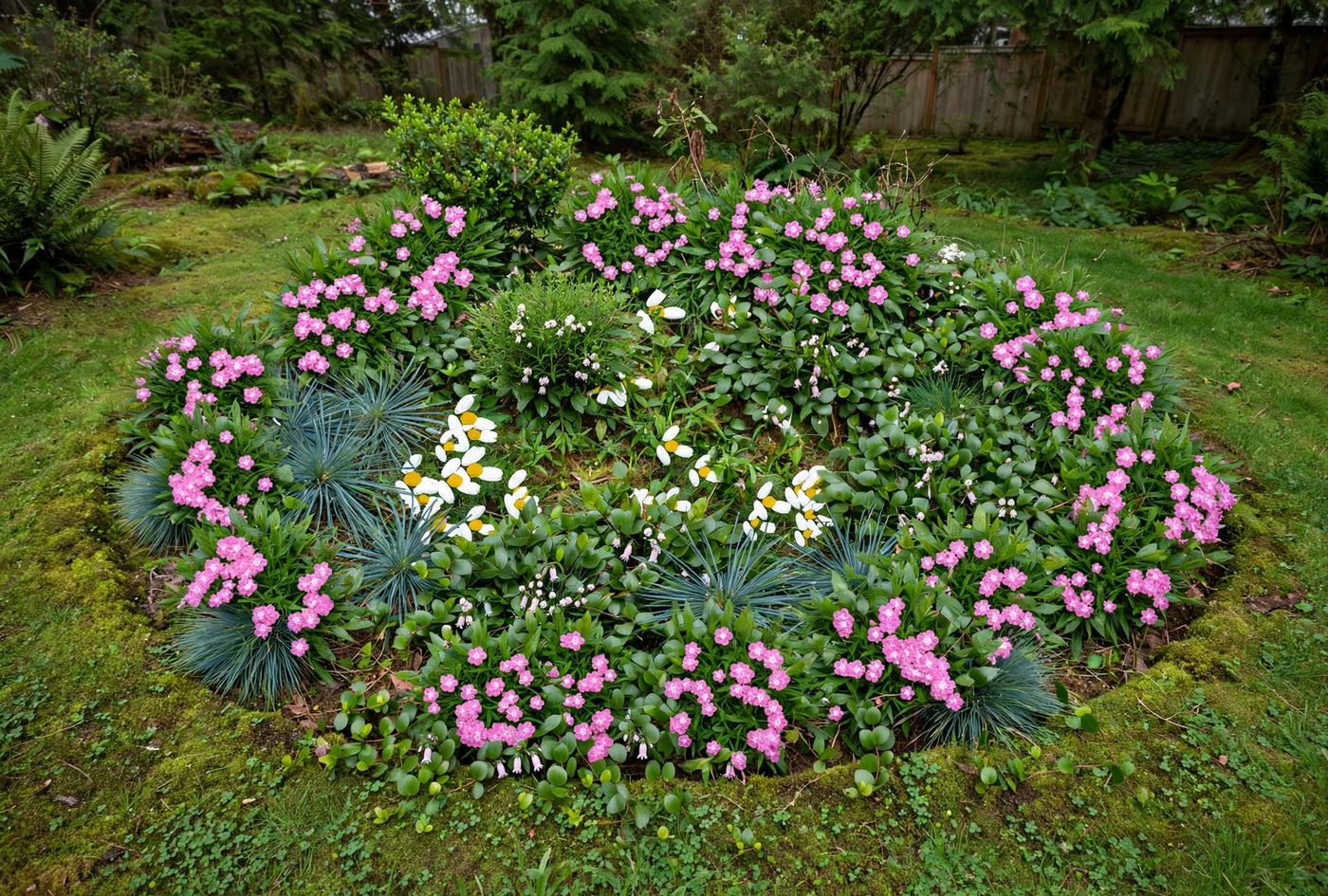
Oval Groundcover Garden
A soft oval of living mulch that retires a chunk of lawn from mowing duty.
See it on the Ideas page →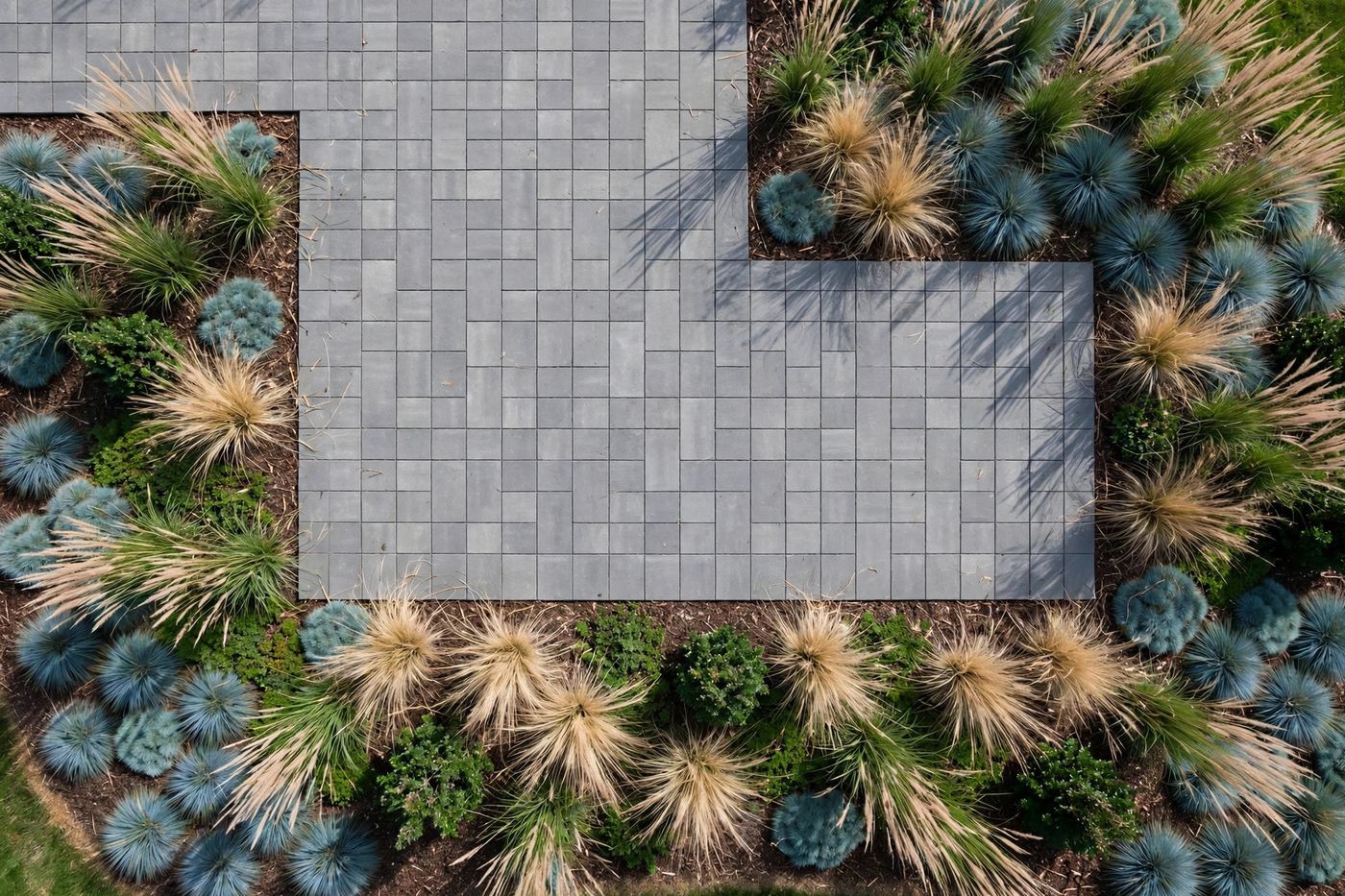
Pavers & Planting Strips
Tough, low planting woven between pavers — made for free-draining yards.
See it on the Ideas page →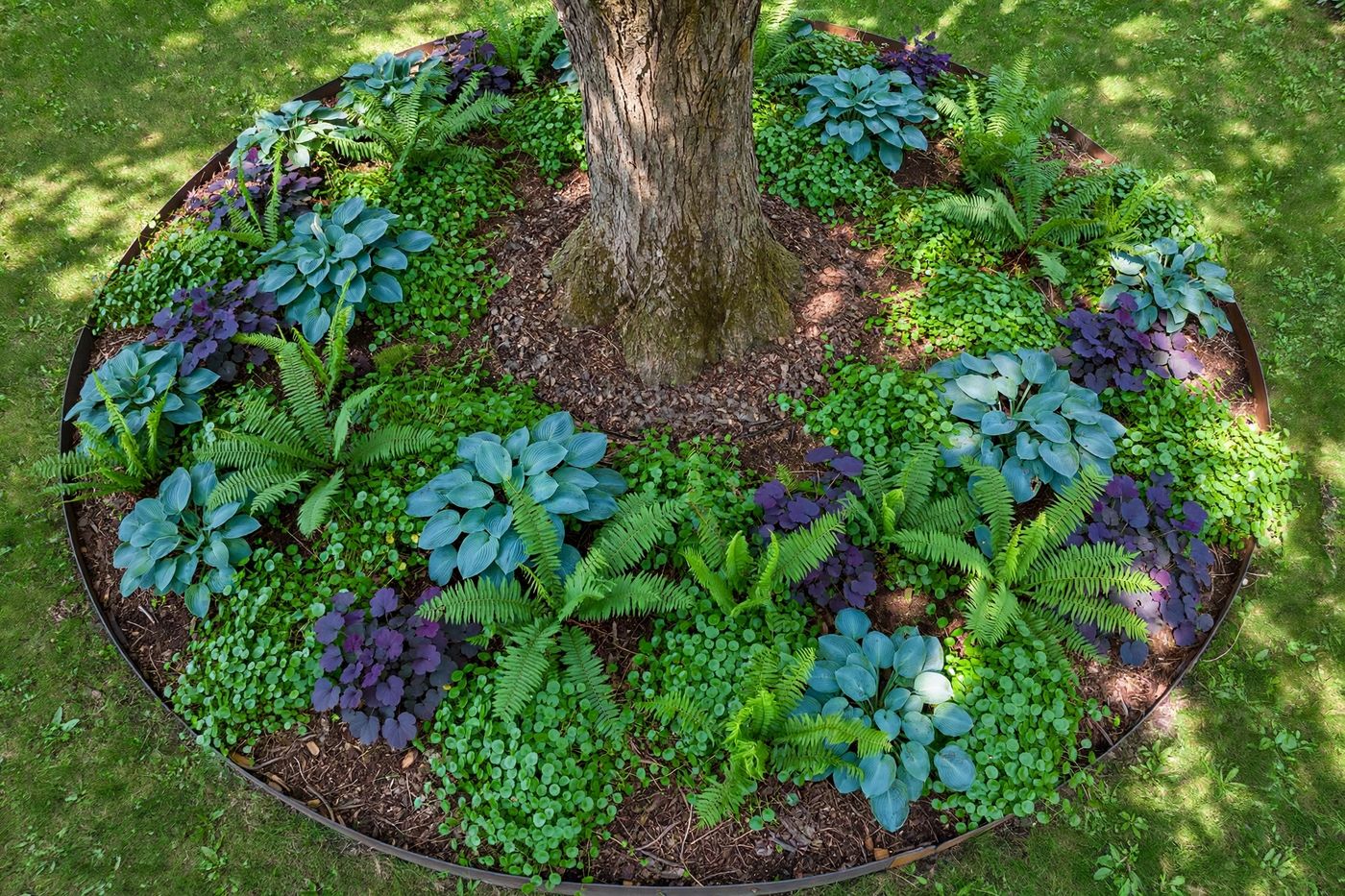
Tree Ring Planting
A planted ring that protects the trunk and ends the mulch-volcano look.
See it on the Ideas page →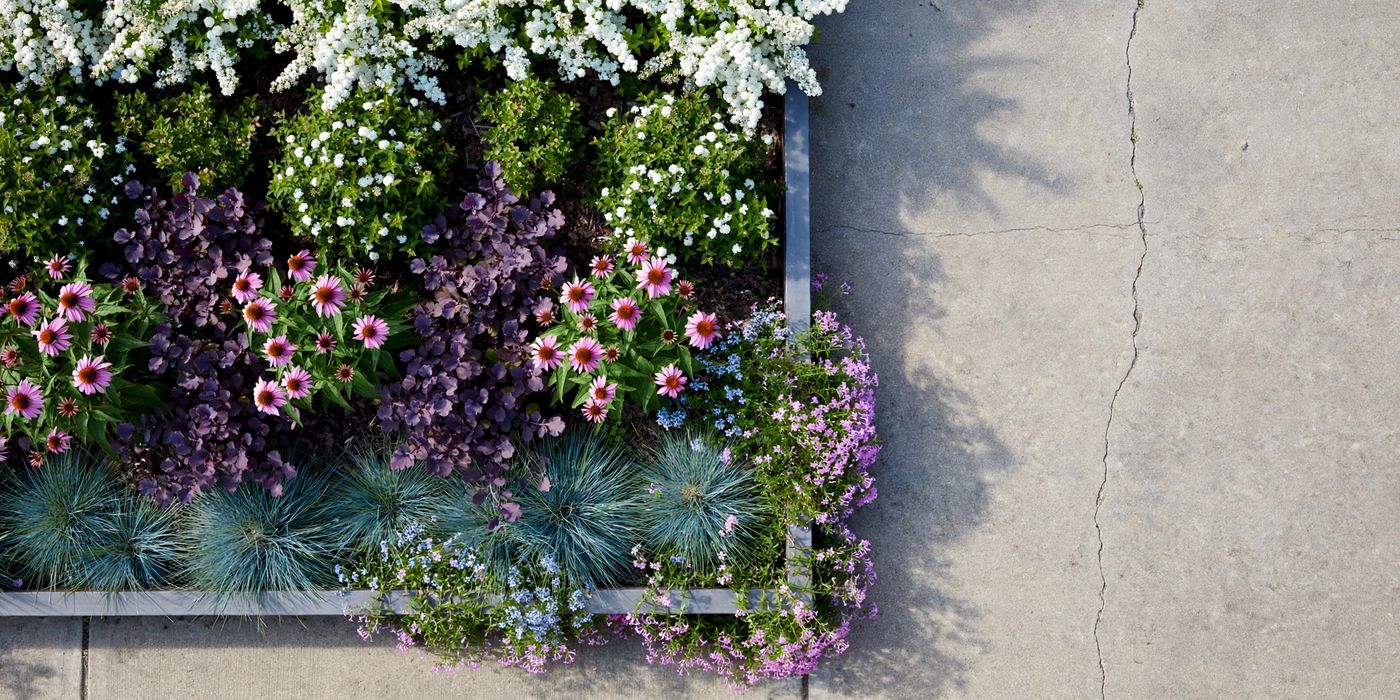
Narrow Side-Yard Bed
A lavender-lined walk that turns a deep lot's side yard into a garden.
See it on the Ideas page →